
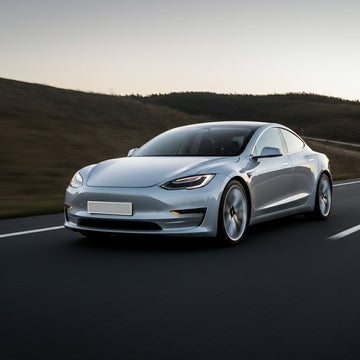
Tesla bespricht HW3-Upgrade und seinen Next-Gen AI5 FSD-Computer
Tesla, der renommierte Hersteller von Elektrofahrzeugen, verschiebt weiterhin die Grenzen der Automobiltechnologie mit seinen neuesten Fortschritten in Hardware und künstlicher Intelligenz. In einer kürzlich geführten Diskussion skizzierten Tesla-Vertreter die wesentlichen Upgrades im Zusammenhang mit Hardware 3 (HW3) und gaben Einblicke in ihren bevorstehenden AI5 Full Self-Driving (FSD)-Computer. Dieser Blogbeitrag befasst sich mit den Auswirkungen dieser Fortschritte auf die autonomen Fahrfähigkeiten von Tesla und die gesamte Automobilindustrie.
HW3 und seine Auswirkungen verstehen
Hardware 3, auch bekannt als FSD-Computer, stellt ein erhebliches Upgrade gegenüber seinem Vorgänger HW2.5 dar. Laut Tesla ist das HW3-Upgrade darauf ausgelegt, die umfangreichen Verarbeitungsanforderungen der Full Self-Driving-Funktionen zu bewältigen. Der neue Computer verfügt über einen speziell entwickelten Chip, der bis zu 144 Bilder pro Sekunde verarbeitet. Dies ermöglicht es Tesla-Fahrzeugen, ihre Umgebung besser wahrzunehmen und auf der Grundlage komplexer Dateneingaben Entscheidungen in Echtzeit zu treffen.
Hauptmerkmale von HW3
- Verbesserte Rechenleistung: Der HW3-Computer ist mit einer Dual-Chip-Architektur ausgestattet, die die für die Verarbeitung visueller Daten verfügbare Rechenleistung erheblich erhöht.
- Verbesserte neuronale Netze: Mit der neuen Hardware hat Tesla ausgefeiltere neuronale Netze implementiert, die die Fähigkeit des Fahrzeugs verbessern, komplexe Fahrszenarien zu verstehen.
- Echtzeit-Datenverarbeitung: Die Möglichkeit, Daten in Echtzeit zu verarbeiten, ermöglicht schnellere Reaktionszeiten auf dynamische Straßensituationen, was die Sicherheit und Effizienz erhöht.
Der Next-Gen AI5 FSD-Computer
Während Tesla in die Zukunft blickt, soll die Einführung des AI5 FSD-Computers ihre selbstfahrende Technologie weiter revolutionieren. Obwohl spezifische Details zum AI5 FSD-Computer noch rar sind, hat Tesla angedeutet, dass seine Fähigkeiten fortgeschrittene Algorithmen des maschinellen Lernens umfassen werden, die noch verfeinertere Entscheidungsprozesse auf der Straße ermöglichen werden.
Laut Elon Musk, CEO von Tesla, „wird der AI5 unsere FSD-Fähigkeiten auf ein neues Niveau heben, komplexere Manöver in Verkehrssituationen mit hoher Dichte ermöglichen und die Navigation in städtischen Umgebungen verbessern.“ Diese kühne Aussage unterstreicht Teslas Engagement für die Entwicklung sichererer und effizienterer autonomer Fahrzeuge.
Auswirkungen auf die Industrie
Die Fortschritte in Teslas FSD-Technologie könnten weitreichende Auswirkungen auf die gesamte Automobilindustrie haben. Da Tesla mit seinen selbstfahrenden Fähigkeiten einen hohen Standard setzt, könnten andere Hersteller gezwungen sein, ihre eigenen Forschungs- und Entwicklungsbemühungen in diesem Bereich zu beschleunigen.
Darüber hinaus könnte die erfolgreiche Implementierung von HW3 und des erwarteten AI5 FSD-Computers, während sich die regulatorische Landschaft für autonome Fahrzeuge weiterentwickelt, den Weg für eine breitere Akzeptanz der selbstfahrenden Technologie ebnen. Die Fähigkeit, sicheres und zuverlässiges autonomes Fahren zu demonstrieren, wird entscheidend sein, um öffentliches Vertrauen und behördliche Genehmigungen zu gewinnen.
Wichtige Erkenntnisse
- Das HW3-Upgrade verbessert Teslas FSD-Fähigkeiten mit größerer Rechenleistung und verbesserten neuronalen Netzen.
- Der kommende AI5 FSD-Computer verspricht, Teslas autonome Fahrtechnologie weiter voranzutreiben.
- Diese Entwicklungen könnten die breitere Automobilindustrie und die regulatorische Landschaft in Bezug auf selbstfahrende Fahrzeuge beeinflussen.
Fazit
Während Tesla weiterhin im Bereich des autonomen Fahrens innovativ ist, signalisieren das HW3-Upgrade und der bevorstehende AI5 FSD-Computer ein Engagement für die Verbesserung der Fahrzeugsicherheit und -effizienz. Mit jedem technologischen Sprung möchte Tesla nicht nur seine eigenen Produkte verbessern, sondern auch die Zukunft der Mobilität auf globaler Ebene gestalten. Die Automobilwelt beobachtet genau, wie Tesla dieses aufregende Grenzgebiet navigiert.


