
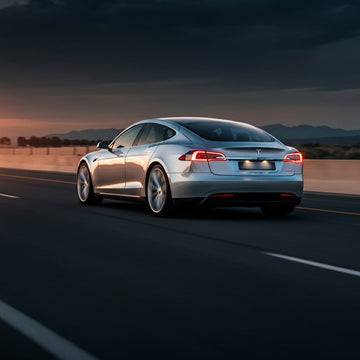
Les projets ambitieux de Tesla d'étendre son service de Robotaxi par 10
Dans une démarche audacieuse qui pourrait redéfinir le transport urbain, Tesla a annoncé des plans d'expansion massive de ses services de Robotaxi. L'entreprise vise à multiplier par dix sa flotte, marquant un changement significatif dans la façon dont les gens perçoivent la mobilité. Cette expansion ne consiste pas seulement à augmenter le nombre de véhicules sur la route ; il s'agit de transformer le tissu même des déplacements urbains.
Qu'est-ce qu'un Robotaxi ?
Un Robotaxi est un véhicule autonome conçu pour transporter des passagers sans conducteur humain. La vision de Tesla pour ce service est de fournir une alternative sûre, efficace et économique aux taxis traditionnels et aux services de covoiturage. Grâce aux avancées en intelligence artificielle et en apprentissage automatique, les véhicules de Tesla sont équipés pour naviguer dans des environnements urbains complexes, ce qui en fait des candidats idéaux pour ce type de service.
L'ampleur de l'expansion
Actuellement, Tesla exploite une flotte modeste de Robotaxis dans certaines régions. Le nouveau plan verra cette flotte multipliée par dix, permettant à Tesla de desservir une zone géographique plus vaste et plus de clients. Selon Elon Musk, PDG de Tesla : « Cette expansion n'est pas seulement une question de chiffres ; il s'agit de fournir une expérience transparente qui rivalise ou dépasse celle des conducteurs humains. »
Nouvelles zones potentielles de service
Avec l'expansion prévue, Tesla cible plusieurs grandes zones métropolitaines où la demande de solutions de transport efficaces est élevée. Des villes comme San Francisco, New York et Los Angeles sont des candidates de choix, compte tenu de leur forte densité de population et des problèmes de circulation existants. En ciblant ces centres urbains, Tesla espère réduire la congestion et offrir une alternative à la possession d'une voiture.
Innovations technologiques à l'origine de l'expansion
Le succès du service de Robotaxi repose sur la technologie de pointe de Tesla. L'entreprise a investi massivement dans les logiciels et le matériel pour améliorer les capacités de ses véhicules. Les principales caractéristiques comprennent :
- Capacité de conduite entièrement autonome (FSD) : Le logiciel FSD de Tesla permet aux véhicules de naviguer de manière autonome dans diverses conditions de conduite.
- Traitement des données en temps réel : Chaque véhicule collecte et analyse des données en temps réel, améliorant ainsi ses fonctions de navigation et de sécurité.
- Mises à jour à distance : Tesla améliore continuellement le logiciel de ses véhicules, garantissant que tous les Robotaxis sont équipés des dernières avancées.
Implications économiques
L'expansion du service de Robotaxi de Tesla devrait avoir des implications économiques importantes. En fournissant un nouveau mode de transport, Tesla pourrait créer des milliers d'emplois, de la maintenance des véhicules au développement de logiciels. De plus, l'entreprise prévoit que ce service pourrait générer des revenus substantiels, qu'elle compte réinvestir dans de nouvelles avancées technologiques.
Défis à venir
Malgré des plans ambitieux, Tesla fait face à plusieurs défis alors qu'elle poursuit l'expansion du Robotaxi. Les obstacles réglementaires, l'acceptation du public et les limitations technologiques pourraient tous poser des obstacles importants. Les réglementations gouvernementales concernant les véhicules autonomes varient considérablement selon les régions, ce qui pourrait compliquer la stratégie de déploiement de Tesla. De plus, la perception du public en matière de sécurité des voitures autonomes reste une préoccupation que Tesla devra aborder de manière proactive.
Ce que vous devez savoir
- Tesla prévoit d'agrandir sa flotte de Robotaxi par 10, ciblant les grandes zones métropolitaines.
- Les innovations technologiques sont au premier plan de cette expansion, y compris les capacités de conduite entièrement autonome.
- Des avantages économiques sont attendus, mais des défis tels que les réglementations et l'acceptation du public subsistent.
Conclusion
Le plan de Tesla d'étendre son service de Robotaxi marque un moment charnière dans l'évolution des transports. En tirant parti d'une technologie avancée et en ciblant les grandes zones urbaines, l'entreprise vise à changer notre façon de nous déplacer. Bien que des défis subsistent, les avantages potentiels de ce service pourraient être profonds, offrant un aperçu de l'avenir de la mobilité.


