
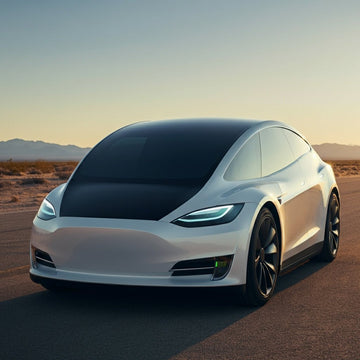
Tesla’s Robotaxi Expansion: A New Era in Autonomous Transportation
In a bold move that could reshape the future of urban mobility, Tesla has recently submitted applications to expand its robotaxi services in Arizona. This strategic decision not only highlights Tesla's ambition to lead the autonomous vehicle market but also signals a significant step towards the widespread adoption of self-driving technology.
The Vision Behind Tesla's Robotaxi Initiative
Tesla's robotaxi project aims to leverage its cutting-edge technology to provide a fleet of autonomous vehicles that can be summoned via a mobile app, similar to existing rideshare services. This vision aligns with CEO Elon Musk's long-term goal of achieving full autonomy in driving, which he believes will revolutionize transportation by increasing safety and efficiency on the roads.
Recent Developments in Arizona
Arizona has emerged as a prime location for Tesla’s robotaxi expansion due to its favorable regulatory environment and supportive infrastructure for autonomous vehicles. The state has been at the forefront of self-driving technology, with numerous tech companies conducting tests and pilot programs. Tesla's recent job postings in Arizona indicate that the company is gearing up for a significant rollout, looking to hire engineers and technicians specializing in autonomous systems.
Implications for the Transportation Industry
The introduction of Tesla's robotaxi service could have far-reaching implications for the transportation industry. With the potential to reduce costs for consumers and create new revenue streams for Tesla, this initiative may disrupt traditional taxi services and rideshare platforms. According to industry analysts, the robotaxi model could lower transportation costs by up to 80%, making it an attractive option for urban dwellers.
Safety and Regulatory Challenges
Despite the promising outlook, Tesla's expansion into the robotaxi market is not without its challenges. Safety remains a primary concern, as the company must navigate regulations and public skepticism regarding the reliability of self-driving technology. In recent years, there have been several high-profile incidents involving autonomous vehicles, which have raised questions about their safety.
"It's critical that Tesla addresses these safety concerns transparently and rigorously as they move forward with their robotaxi plans," said Dr. Sarah Thompson, an automotive safety expert.
Key Takeaways
- Tesla has applied to expand its robotaxi services in Arizona, signaling a significant step in autonomous vehicle deployment.
- The move could disrupt traditional transportation markets, potentially lowering costs significantly.
- Safety and regulatory challenges remain a significant hurdle for Tesla as it seeks to assure consumers and regulators of the safety of its technology.
The Future of Autonomous Transportation
As Tesla continues to expand its robotaxi services, the company is poised to play a pivotal role in the evolution of transportation. With the potential to transform how we think about mobility, the success of Tesla's initiative could pave the way for other companies to follow suit, leading to a future where autonomous vehicles are an integral part of our daily lives.
In conclusion, Tesla's robotaxi expansion marks a significant milestone in the journey towards fully autonomous transportation. As the company navigates the complexities of safety, regulation, and public perception, the world will be watching closely to see how this ambitious project unfolds in the coming months.


