
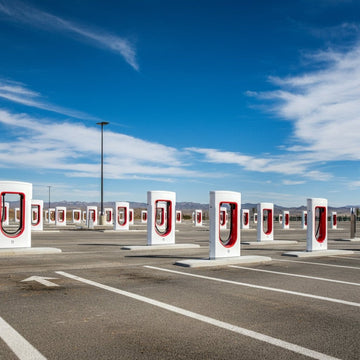
World’s Largest Tesla Supercharger: A New Era for Electric Vehicle Charging
In a significant advancement for the electric vehicle (EV) infrastructure, Tesla has unveiled the world’s largest Supercharger station, boasting an impressive 168 stalls. Located in Santa Monica, California, this facility is not only a marvel of engineering but also a leap towards sustainable energy solutions, operating entirely off-grid through solar energy and battery storage.
Key Features of the Supercharger Station
The new Supercharger station stands out for its commitment to sustainability. With the capability to charge a high volume of vehicles simultaneously, it addresses one of the biggest challenges for EV owners—charging availability. Here are some of its standout features:
- 168 Charging Stalls: The station can accommodate a large number of EVs, significantly reducing wait times for drivers.
- 100% Off-Grid Operation: Utilizing solar panels and advanced battery storage technology, the station generates and stores its own energy, ensuring that it operates without reliance on the traditional power grid.
- Sustainable Design: The facility is designed to minimize its environmental impact, aligning with Tesla's broader mission to promote renewable energy.
The Importance of Off-Grid Charging Solutions
As the demand for electric vehicles continues to surge, developing sustainable charging solutions becomes increasingly critical. Traditional charging stations often draw power from fossil fuel-based sources, contributing to the very emissions that electric vehicles aim to reduce. The off-grid approach taken by Tesla not only alleviates this issue but also sets a benchmark for future infrastructure developments.
According to Tesla CEO Elon Musk, "This Supercharger station is a testament to our commitment to sustainable energy. By harnessing the sun, we can power the future of transportation without compromising the environment." This philosophy resonates with the growing community of environmentally-conscious consumers who are making the switch to electric vehicles.
How the Station Works
The operation of this Supercharger station hinges on a combination of solar panels and battery storage systems. During daylight hours, the solar panels collect energy, which is then stored in high-capacity batteries. This stored energy is utilized to charge vehicles, ensuring that the station can function even during peak demand periods or at night.
Impact on Electric Vehicle Adoption
The establishment of such a large and efficient charging station is expected to significantly boost electric vehicle adoption in the region. With charging solutions that are both rapid and sustainable, potential EV buyers may find the transition to electric vehicles more appealing.
Moreover, locations like this Supercharger station can serve as models for future developments, encouraging other companies and municipalities to invest in renewable energy infrastructure.
What You Need to Know
- The Supercharger station features 168 stalls, making it the largest in the world.
- It operates entirely off-grid, powered by solar energy and battery storage.
- This facility represents a shift in how we think about EV charging and sustainability.
Conclusion
The launch of the world’s largest Tesla Supercharger station marks a pivotal moment in the evolution of electric vehicle infrastructure. By combining cutting-edge technology with a commitment to sustainability, Tesla is not only facilitating the transition to electric vehicles but also setting a precedent for future developments in renewable energy.
As we look ahead, the success of this Supercharger station may inspire further innovations in sustainable energy solutions, paving the way for a cleaner, greener future for transportation.


