
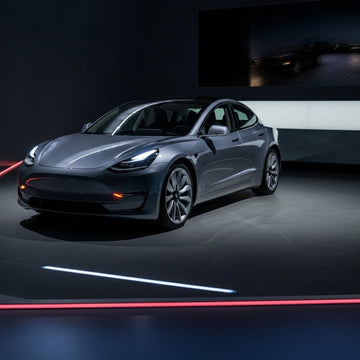
Tesla Officially Launches Robotaxi: Features, Command Center and First Impressions
Tesla has taken a significant leap forward in the realm of autonomous transportation with the official launch of its Robotaxi service. This innovative initiative promises to revolutionize the way we think about ride-sharing and personal mobility. In this blog post, we delve into the features of the Robotaxi, the command center operations, and what the first impressions reveal about this groundbreaking service.
What is Tesla's Robotaxi?
The Tesla Robotaxi is an autonomous vehicle designed to operate without a human driver, utilizing cutting-edge AI and advanced sensor technology. The service aims to provide affordable, efficient, and convenient transportation options. Tesla's CEO, Elon Musk, has long envisioned a future where self-driving cars could reduce traffic accidents and enhance urban mobility.
Key Features of the Robotaxi
- Fully Autonomous Driving: The Robotaxi operates on Tesla's Full Self-Driving (FSD) software, allowing it to navigate through urban environments, traffic signals, and pedestrian areas without human intervention.
- Fleet Management: A centralized command center monitors all Robotaxis, ensuring optimal routing and addressing any operational issues in real-time.
- Sustainability: As a fully electric vehicle, the Robotaxi contributes to reducing carbon emissions, aligning with Tesla's commitment to sustainable energy.
- Dynamic Pricing Model: The service will employ a dynamic pricing strategy based on demand, ensuring affordability for users while maximizing revenue.
The Command Center: Ensuring Safety and Efficiency
At the heart of the Robotaxi service is the command center, which serves as the operational nerve center for managing the fleet. Tesla has invested heavily in this infrastructure, employing advanced analytics and AI to monitor vehicle performance and safety metrics. The command center can intervene in case of emergencies, rerouting vehicles or providing assistance as needed.
First Impressions from Early Users
The initial reactions from users who have experienced Tesla's Robotaxi service have been largely positive. Many have praised the comfort and seamlessness of the ride, highlighting the vehicle's ability to handle complex driving scenarios. One user noted, "I was amazed at how well the Robotaxi navigated through busy streets. It felt like riding in a regular taxi, but with the added bonus of knowing there was no driver behind the wheel."
Challenges Ahead
Despite the excitement surrounding the launch, challenges remain. Regulatory hurdles continue to pose barriers to widespread adoption, as safety standards for autonomous vehicles are still being developed in many regions. Additionally, the technology's reliability must be proven over time to gain public trust.
Key Takeaways
- Tesla's Robotaxi service aims to redefine urban transportation through fully autonomous vehicles.
- The command center plays a crucial role in monitoring and managing the fleet for safety and efficiency.
- Initial user feedback is positive, but regulatory challenges and public perception remain hurdles to overcome.
Conclusion
The launch of Tesla's Robotaxi marks a pivotal moment in the evolution of transportation. As the company continues to refine its technology and expand its fleet, it is essential for stakeholders to engage with regulatory bodies to pave the way for a smoother integration of autonomous vehicles into everyday life. The future of ride-sharing may very well be driverless, and Tesla is at the forefront of this movement.


