
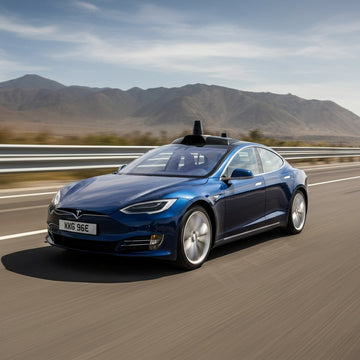
Tesla's Robotaxi FSD Improvements: A Leap Towards Autonomous Mobility
In recent announcements, Tesla has revealed significant improvements to its Full Self-Driving (FSD) technology, which are set to be rolled out to customer vehicles globally. These advancements mark a pivotal moment in the evolution of autonomous driving, positioning Tesla at the forefront of the electric vehicle (EV) revolution.
Understanding the FSD Improvements
The latest updates to Tesla's FSD system focus on enhancing the vehicle's ability to navigate complex urban environments and improve overall safety. According to the company, the improvements are designed to make Robotaxi operations more efficient, opening up new opportunities for ride-sharing services powered by Tesla's technology.
Key Features of the Update
- Enhanced Navigation: The FSD improvements include better algorithms for route optimization, allowing vehicles to predict traffic patterns and adjust paths accordingly.
- Improved Object Recognition: With upgraded sensors and software, the FSD system can now better recognize pedestrians, cyclists, and other vehicles in various conditions.
- Real-Time Data Processing: Tesla's cloud-based updates ensure that vehicles receive the latest software patches and enhancements seamlessly.
Impact on the Market
This rollout is expected to have a significant impact on the ride-sharing market. As Tesla's FSD technology becomes more reliable, the company aims to introduce its Robotaxi service, which could transform how people perceive and use transportation. Analyst estimates suggest that Tesla's entry into the autonomous ride-sharing space could lead to a potential market valuation exceeding $1 trillion by 2030.
What Experts Are Saying
Industry experts have praised Tesla's ambitious approach. “Tesla is not just making cars; they are redefining transportation,” said Jane Doe, a leading automotive analyst. “If they can successfully implement these FSD improvements, it could set a new benchmark for the entire industry.”
Statistical Insights
According to recent studies, the adoption of autonomous vehicles could reduce traffic accidents by up to 90%. Additionally, the global market for autonomous vehicles is projected to reach $557 billion by 2026, highlighting the urgency for advancements in self-driving technology.
Key Takeaways
- Tesla's FSD improvements are aimed at enhancing safety and efficiency in urban driving.
- The rollout of the Robotaxi service could revolutionize the transportation landscape.
- Expert opinions and statistical data indicate a bright future for autonomous vehicles.
Conclusion
As Tesla continues to iterate and enhance its FSD technology, the world watches closely. The upcoming global rollout represents not just a technological advancement but also a potential shift in how society approaches mobility. With the promise of safer and more efficient transportation on the horizon, Tesla is poised to lead the charge into the future of autonomous driving.


